Words Matter.
Understanding the language of healthcare can help you feel more confident and actually improve your health.
Research Shows You Can Improve Your Health!
When you understand health information and feel more confident, you have a better chance to improve your health. The data is clear:
36%
Limited Health Literacy
Roughly 80 million American adults struggle to understand health information.
See Citation
36% of American adults have limited health literacy — roughly 80 million people
The 36% figure comes from the 2003 National Assessment of Adult Literacy (NAAL), published by the U.S. Department of Education in 2006. It was prominently cited by the Institute of Medicine in their landmark report:
Nielsen-Bohlman, L., Panzer, A.M., & Kindig, D.A. (Eds.). (2004). Health Literacy: A Prescription to End Confusion. Washington, DC: National Academies Press. DOI: https://doi.org/10.17226/10883
The NAAL found that 36% of adult participants had basic or below basic health literacy skills — representing more than one third of the U.S. adult population (Kutner et al., 2006). PubMed Central
8-21%
Higher Cost
Patients least confident navigating their care have significantly higher healthcare costs.
See Citation
8–21% Higher healthcare costs among patients least confident navigating their care (Univ. of Oregon)
Hibbard, J.H., Greene, J., & Overton, V. (2013). Patients with lower activation associated with higher costs; delivery systems should know their patients’ ‘scores.’ Health Affairs, 32(2), 216–222. DOI: https://doi.org/10.1377/hlthaff.2012.1063
In an analysis of 33,163 patients of Fairview Health Services in Minnesota, patients with the lowest activation levels had predicted average costs that were 8% higher in the base year and 21% higher in the first half of the following year than costs for the most activated patients. The lead author, Judith H. Hibbard, was based at the University of Oregon’s Health Policy Research Group. PubMed
9 of 13
Better Outcomes
In a 32,000 person study, more activated, confident patients improved on 9 of 13 health indicators.
See Citation
9 of 13 health indicators improved among more activated, confident patients — study of 32,000 (Health Affairs)
This comes from a follow-on paper by the same research group:
Greene, J., Hibbard, J.H., Sacks, R., Overton, V., & Parrotta, C.D. (2015). When patient activation levels change, health outcomes and costs change, too. Health Affairs, 34(3), 431–437. DOI: https://doi.org/10.1377/hlthaff.2014.0452
Higher activation in 2010 was associated with 9 out of 13 better health outcomes — including better clinical indicators, more healthy behaviors, and greater use of women’s preventive screening tests — as well as lower costs two years later. The study population was approximately 32,000–33,000 patients at Fairview Health Services. Semantic Scholar
Confidence and the right words change real outcomes. Well Said Health exists to give people both.
How Well Said Health Helps
Three ways to build your confidence to navigate care better:


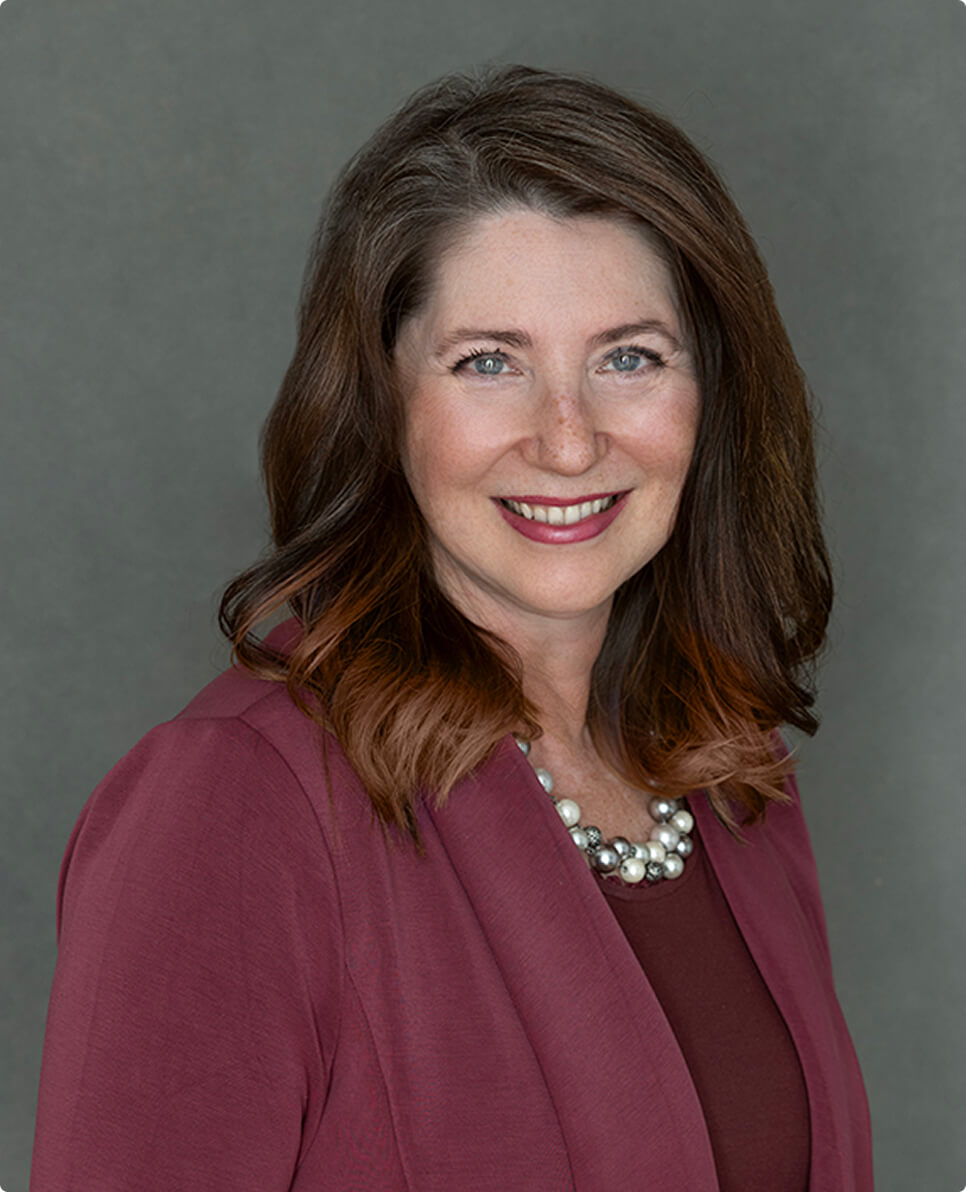
Meet Robin L. Shapiro
Robin L. Shapiro has dedicated her career to helping patients find their voice in navigating the healthcare system. As an author, speaker, and advocate, she empowers people with the language and confidence they need to navigate healthcare more successfully through insights and other people’s stories.
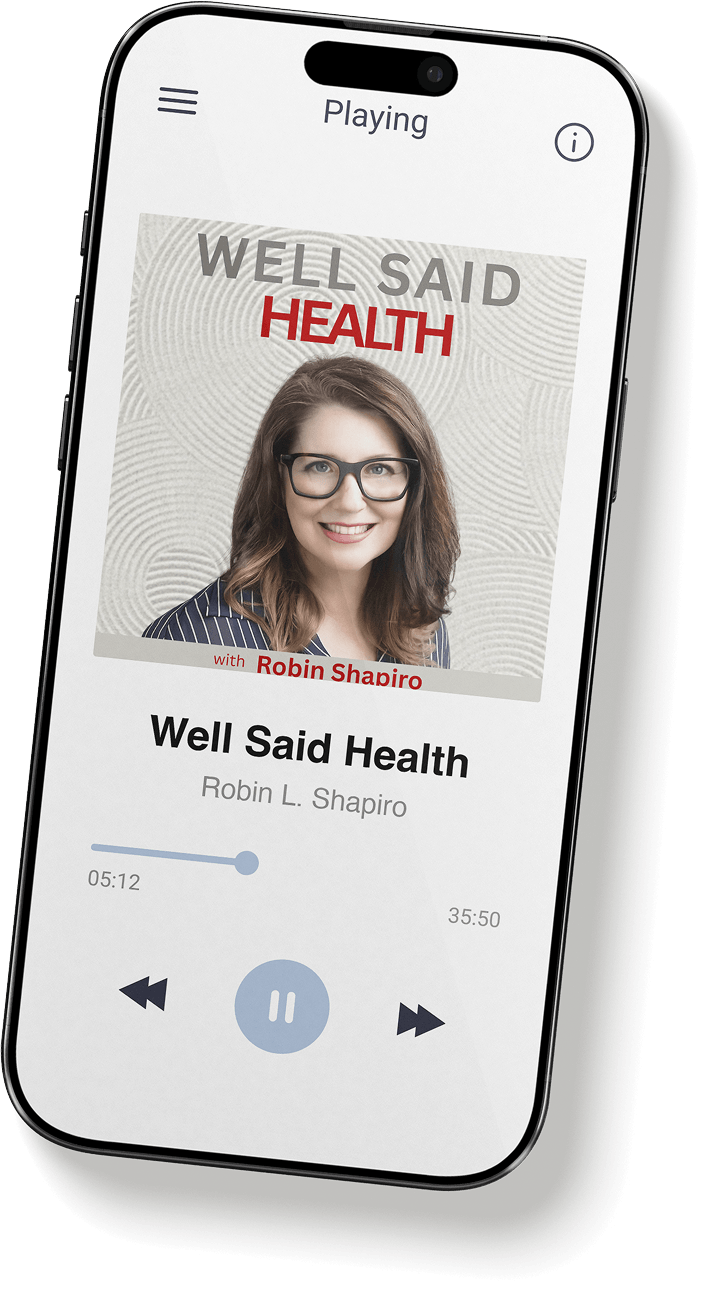
Through her podcast, book, and speaking engagements, Robin helps translate complex medical information into practical information and questions that anyone can actually use.

Decades of work closing the gap between provider knowledge and patient understanding

Founder in health communications and patient advocacy groups

Presentations on health literacy and patient empowerment

Research-informed approach to healthcare communication





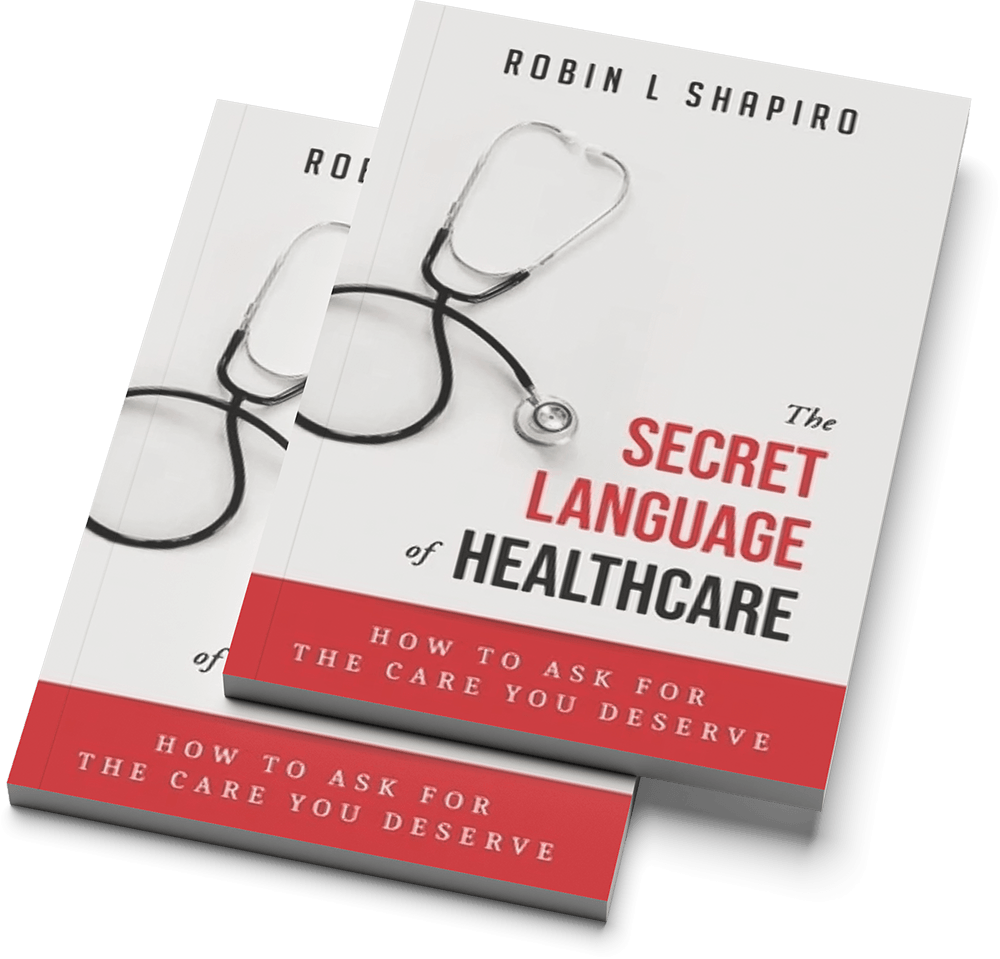
You Have the Power to Ask
For the Care You Deserve.
The Secret Language of Health Care is your practical guide to navigating common health conditions with confidence. Learn the exact words to say when you need them most.
What you’ll learn:
Practical language and words for common medical situations
Questions to ask your doctor that get you real answers
Tips to navigate insurance, billing, and medication conversations
Finding pathways to second opinions and advocating for yourself

Speaking & Events
Robin brings decades of expertise in health literacy and patient advocacy to keynotes, workshops, and training programs.
Who Robin speaks to:

Individuals wanting to learn how to navigate health care better

Patient advocacy groups and community organizations

Hospital systems and healthcare providers

Conferences and professional associations

Corporate wellness programs and HR teams
Speaking topics:
The ABCs of An Effective Doctor Visit
Taming the Medicine Cabinet
Safe & Sound in the Hospital
Top Tips to Navigating Care Better Now
Writing Down Your Health Care Wishes and Choices: Conversations about what Matters Most
Bridging the communication gap between patients and providers

Interested in becoming more effective in
navigating your own health?
Get real stories, insights and resources you can use…delivered to your inbox.
Join our community and get practical healthcare communication tips delivered to your inbox.
Contact & Book Robin
For speaking inquiries, media requests, partnership opportunities, or general
questions, we’d love to hear from you.
"*" indicates required fields
For speaking inquiries: Tell us about your event (date, audience, format) so we can provide the most relevant information.
